Governance is consistent.Industry risks are not.
Hongyi JIG governs complex development and manufacturing programmes where tooling, moulding, and supplier decisions carry disproportionate risk.
The same governance principles apply everywhere. The risks they control differ by industry.
Every industry fails differently.
In medical device programmes, failures surface as regulatory non-conformances and approval delays. In home appliances, they appear as yield loss and margin erosion at volume. In automotive, they arrive as OEM escalations and surface complaints. In consumer electronics, they emerge as launch delays and uncontrolled design changes.
The failure pattern looks different in every industry. The governance failure underneath is almost always the same.
Governance adapts to context. Execution does not.
Where regulatory risk and tooling risk arrive together
Medical device programmes carry a risk profile that most tooling governance systems are not built for. Regulatory submission timelines are fixed. Design freeze is non-negotiable. First-off sample failures do not just cost money. They cost approvals.
- Regulatory timelines cannot absorb mould corrections
- Design freeze decisions taken before tooling risk is understood
- Supplier capability assumed not governed until trials begin
- Standards set by regulators not negotiated after the fact
In medical programmes, late discovery is not recoverable.
See Medical Programme Governance →
Where failures accumulate quietly before scale exposes them
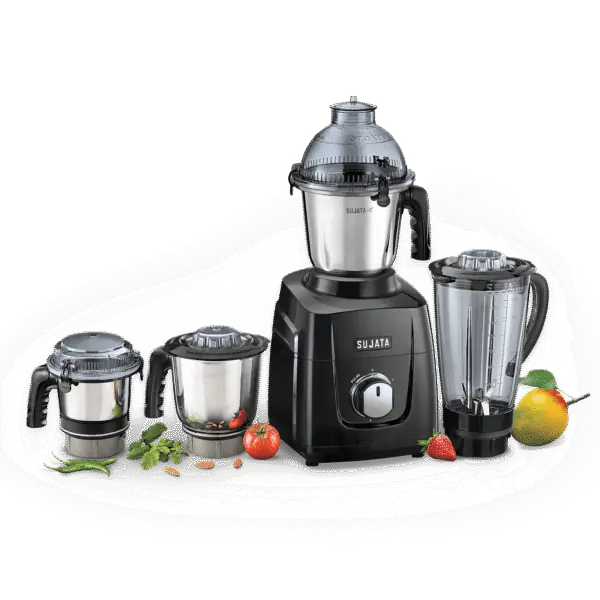
Home appliance programmes rarely fail dramatically. Cost-down decisions compound quietly. Yield problems emerge at volume. Seasonal windows close. And by the time margins are under pressure, the decisions that caused it were taken months earlier.
- High volumes multiply small decision errors
- Cost-down pressure overrides long-term manufacturability
- Seasonal launch window cannot absorb late corrections
- China supplier abandonment after delivery leaves no escalation path
Volume hides risk. Until it multiplies it.
See Appliances Programme Governance →Where OEM pressure and surface accountability arrive simultaneously
Automotive tooling programmes carry zero tolerance for late surprises. OEM timelines are fixed. SOP dates do not move. When Class A surface complaints arrive, they do not stay at the part level. They reach leadership reviews and carry brand consequences.
- Tight tolerances and cosmetic sensitivity leave no negotiation margin
- Multiple toolmakers dilute Class A surface accountability
- SOP-driven timelines remove correction options late in the programme
- EV startups enter new product categories without tooling governance experience
- Aftermarket and accessory programmes racing a launch window before a competitor takes it
Automotive programmes do not allow late governance. It must begin before commitment.
See Automotive Programme Governance →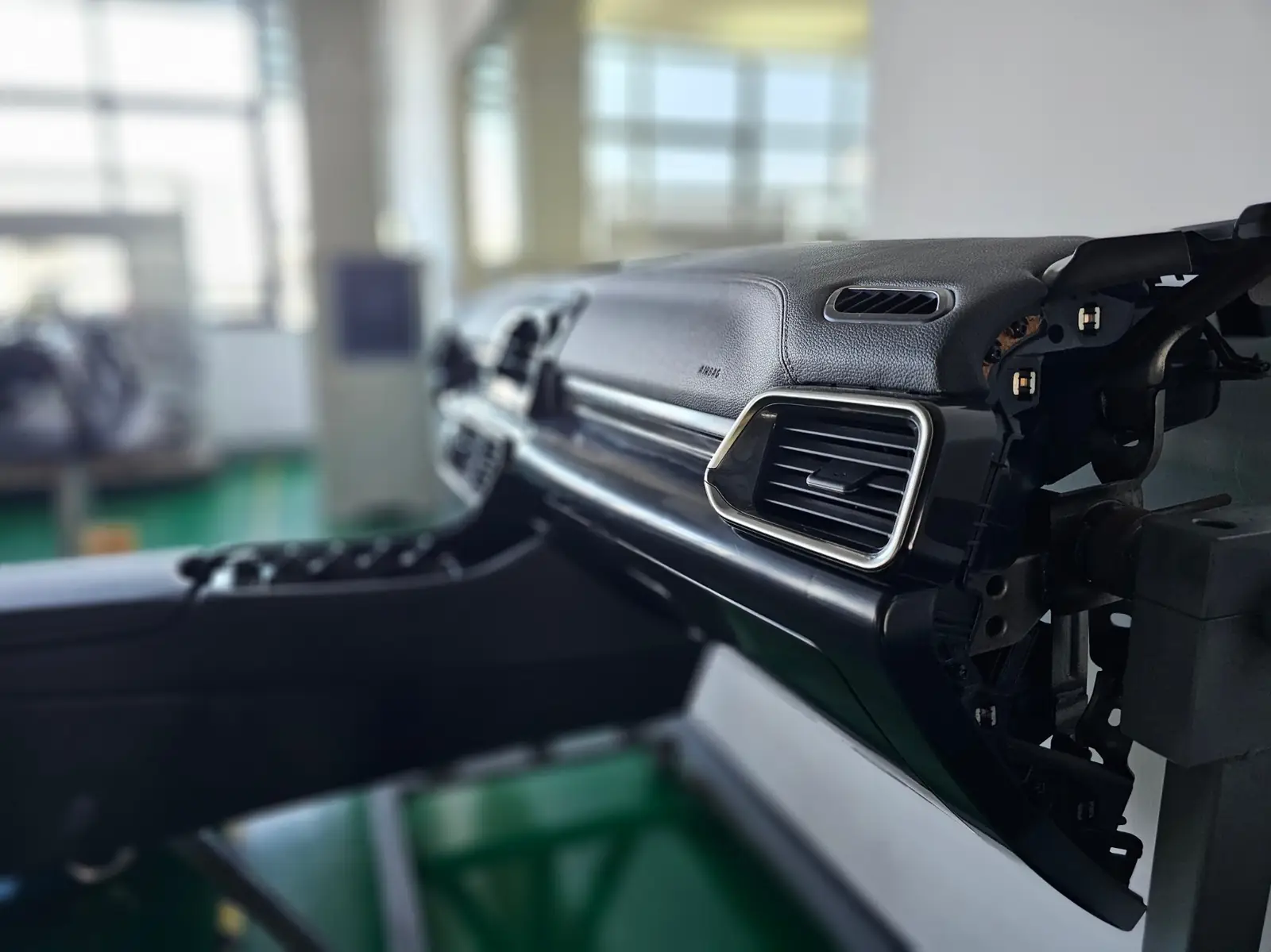

Where electronics expertise hides plastic governance risk
Consumer electronics founders understand circuits, firmware, and software. The confidence this creates in one domain often obscures the risks they cannot see in another. Injection moulded enclosures, structural integrity, and tooling decisions carry a risk profile that electronics expertise does not prepare you for.
- Short product cycles leave no room for tooling corrections after launch
- Rapid design changes after tooling commitment multiply cost
- First-product stakes carry investor and brand consequences
- Engineering confidence in one domain creates blind spots in another
Knowing electronics does not mean knowing plastic governance.
"We are strong in electronics. The mechanical and plastic moulding - that is not our area. Hongyi JIG bridged that gap completely. Their team found errors in our designs that we could not foresee ourselves."
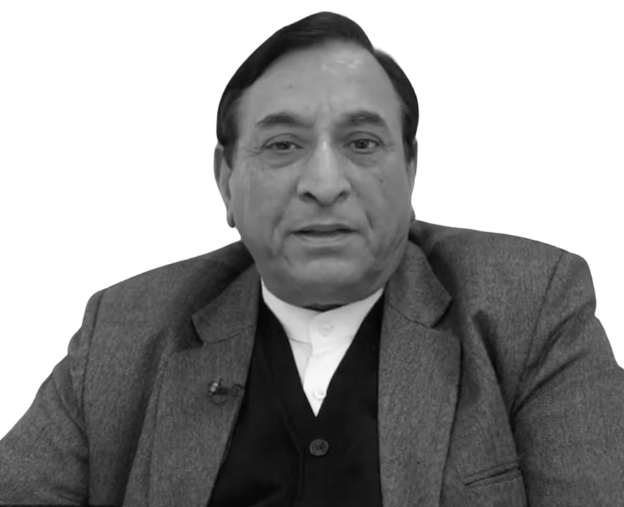
Dr. Kamal Kumar
Director, Novel Electronics Pvt. Ltd.
Watch testimonial on YouTube →Every industry fails differently.
The governance failure underneath is the same.
Decisions taken without structure. Ownership assumed rather than defined. Risk that surfaces after commitment is made. These patterns do not change by industry. They only change in how they are expressed.
"Handled complexity with patience. Strong project management created trust."

Tarun Bansal
Director, APJ Investments
Where do you want to go next
Ready to talk
Start a Structured Discussion
Twenty minutes. No quotation.
Know about Hongyi JIG
Know about Hongyi JIG
Understand who we are and why this company exists before deciding anything.