In medical programmes, late discovery is not recoverable.
Regulatory submission timelines are fixed. Design freeze is non-negotiable. First-off sample failures do not just cost money. They cost approvals.
You’re calculating the mould cost against yesterday’s sales, not tomorrow’s.
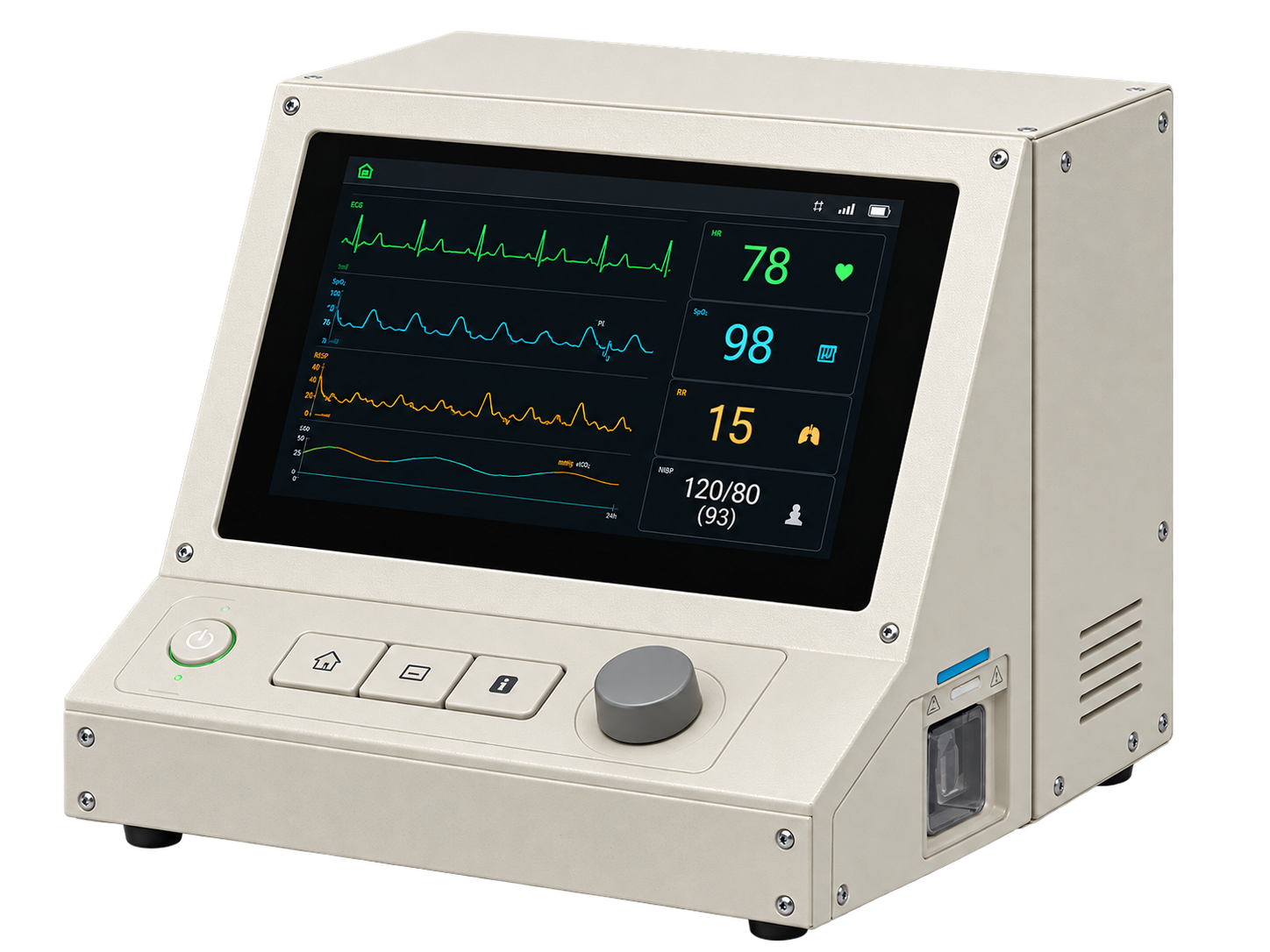
Sheet-metal cabinet. No curves. No premium feel.
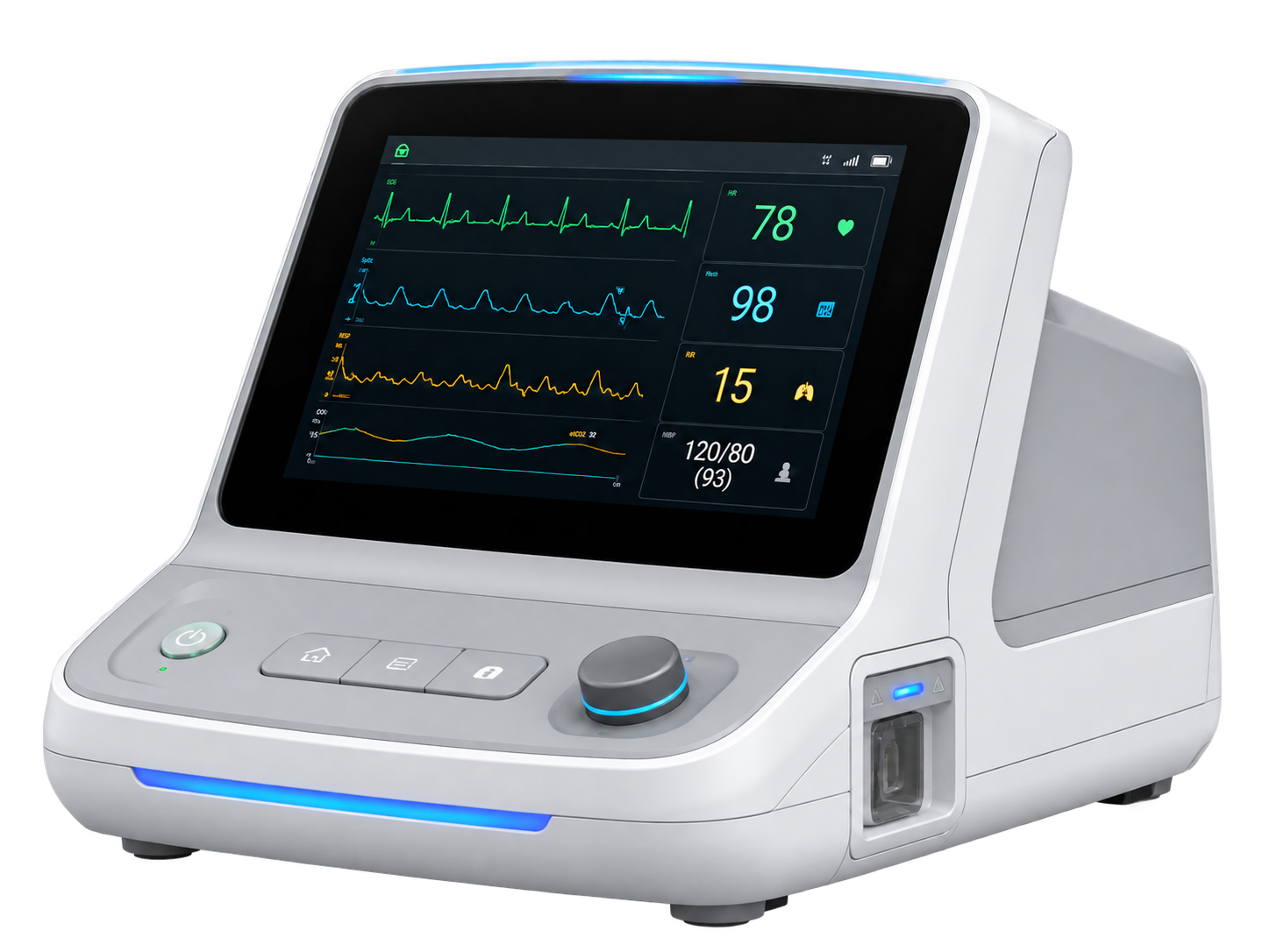
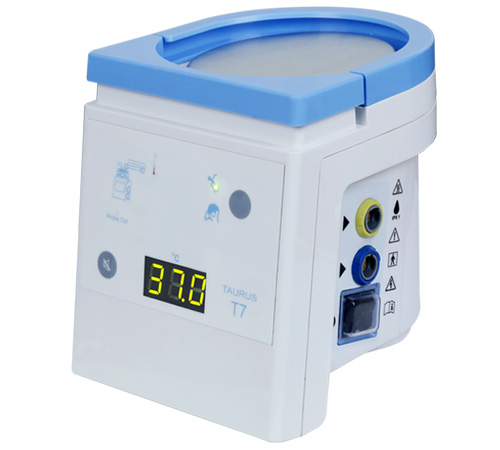
The same product, two ways.
Same device, same spec sheet. The only difference is the cabinet.
These two are AI-generated concept visualizations of the same monitor design, created to illustrate the difference, not photos of a real delivered client product.
Two ways to calculate the same mould.
Same cost. Two different answers, depending on what you divide it by.
This is the calculation almost every team runs first, using only the volume they're selling right now.
Matters most wherever a buyer sees or touches the product before deciding: hospital procurement, a clinician, or the patient.

Medical expertise creates the function. Product expertise creates the experience.
You have the science to make it work. We bring the technology to make it look world-class.
Medical science
Electronics
Clinical function
Patient requirements
Product design translation
Materials
Surface possibilities
Tooling route
Supplier capability
Manufacturing feasibility
Why most teams never get here.
- The right components exist. Most teams never see them.
- Seeing them isn't enough. Making them fit your product takes engineering, not just sourcing.
Nine manufacturing verticals, one shared library
These aren’t Medical-specific techniques. They’re documented once, with real VDI/SPI grades and stage-by-stage detail, and used across every industry we govern.

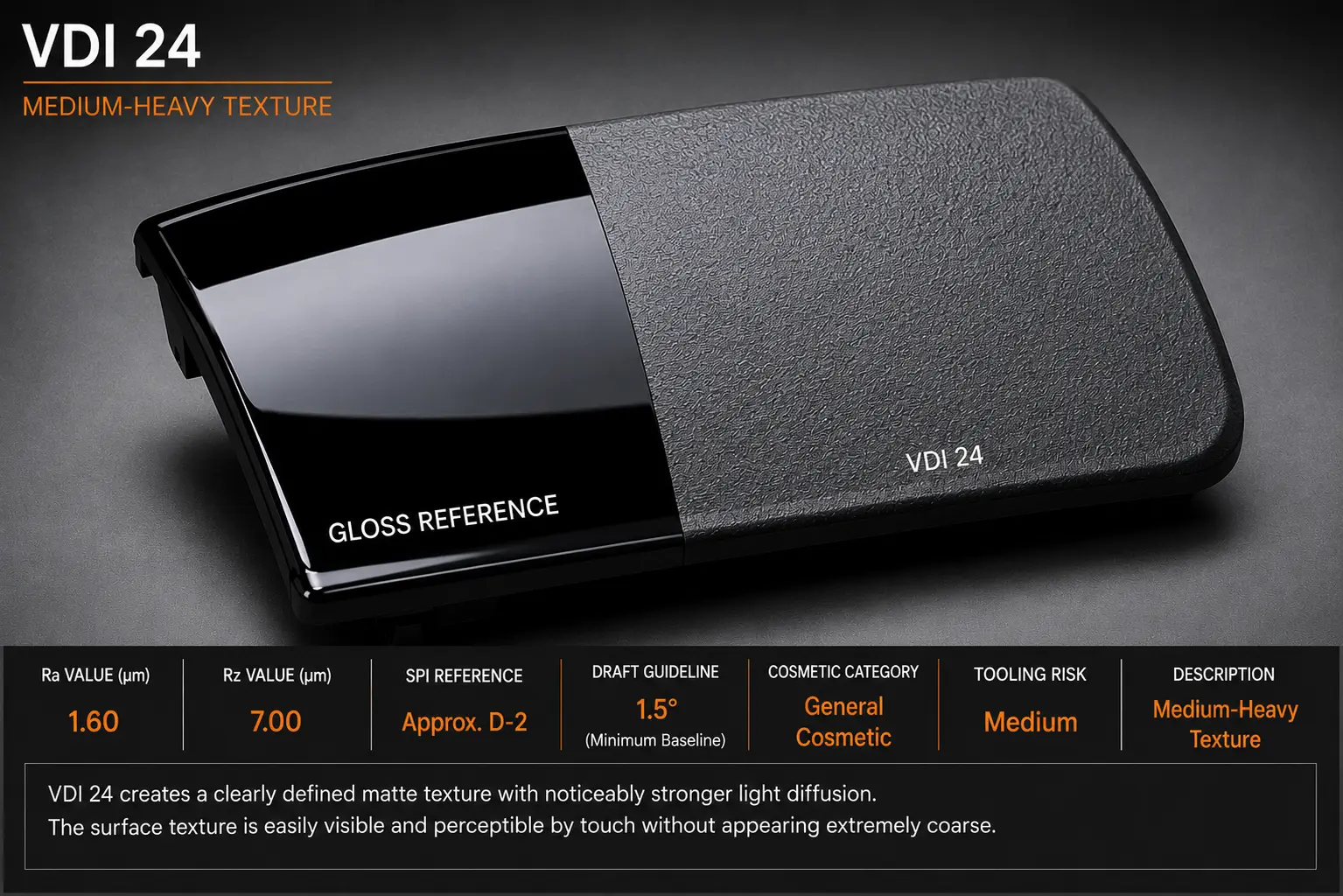
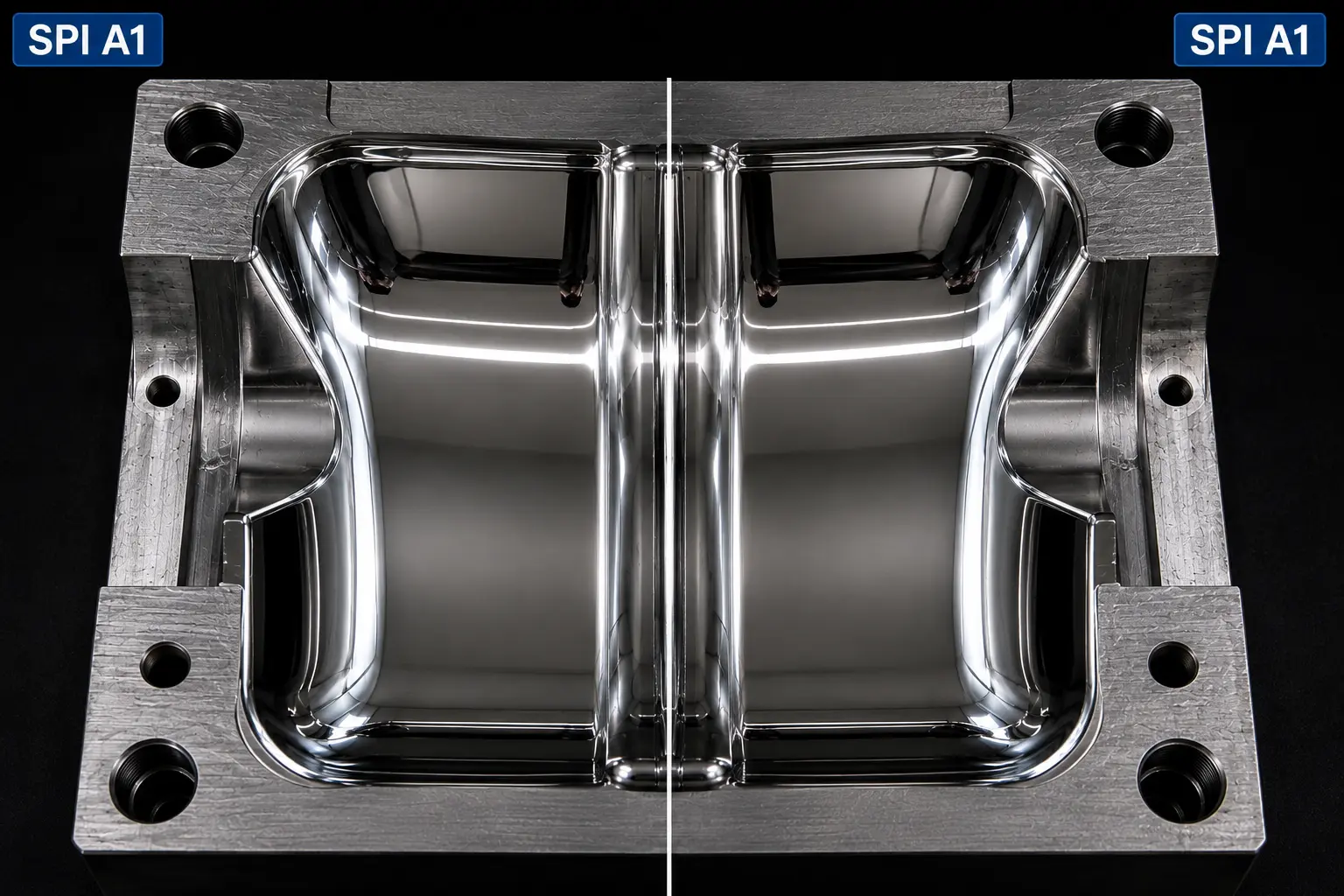
What these processes can build, combined
Manufacturing Angle
- Rigid plus soft-touch, or two contrasting colours, moulded together
- Rotary-table indexing allows higher-volume, consistent multi-shot production
Strong For
Multi-material enclosures that need volume and consistency together
What this creates for medical products.
Premium outcomes, not just manufacturing techniques.
- Plastic enclosure technologies: curved, integrated, premium housings
- Textures and finishes: medical-grade surfaces, tactile quality
- Lighting integration: functional feedback, premium interaction
- Product integration: compact, ergonomic, production-ready
From possibility to production.
Every possibility above only matters if it can be built, repeatably.
The plastic enclosure is not packaging. It is as regulated as the electronics.
Every enclosure decision is a regulatory decision.
Wall thickness and rib design carry structural and safety compliance, not just moulding feasibility
Material choice must satisfy biocompatibility and sterilisation requirements, not only cost and appearance
Fitment tolerance affects IP rating and EMI shielding, both are tested, both can fail
Assembly sequence affects electro-mechanical alignment, which affects whether the rated performance is real
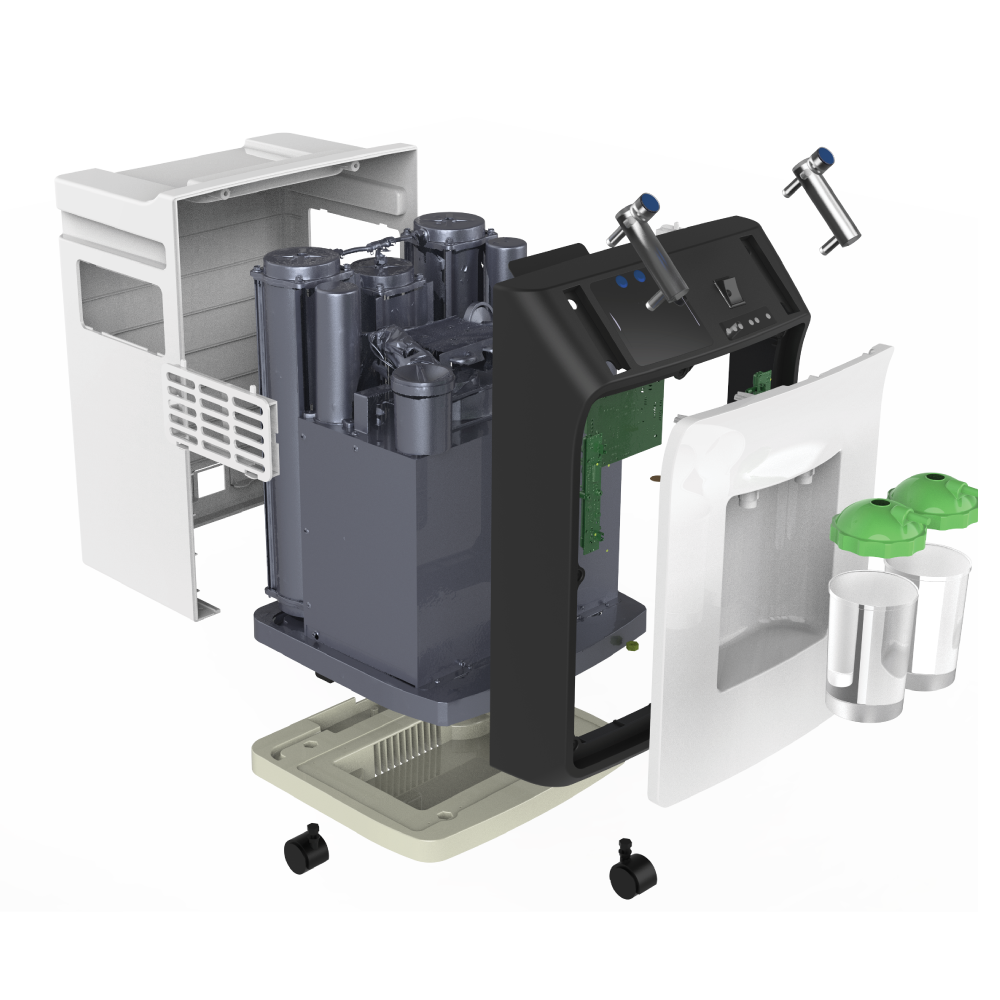
Reference example: enclosure and electro-mechanical layers as one governed assembly, not a specific client’s confidential design.
Every team configuration carries the same gap.
More people doesn’t mean more ownership.
A large team spreads the work across specialists. It doesn't assign who owns the outcome.
A small team, or no internal team, depends on people who can leave. When they do, so does the programme's momentum.
Governance is not a replacement for your team. It is what makes every team configuration work better.
We do not make your product.
We make sure the decisions behind it are owned.
We do not design, manufacture, or sell tooling. We sit on your side as an independent authority, governing the decisions that usually fall through the gaps between your designer, your suppliers, and your team.
Not your designer, not your supplier, not a freelancer who may leave. One authority accountable for the outcome, and accountable only to you.
Supplier capability is validated before work is awarded and money is spent, not discovered at trial when it is too late to change.
Nothing proceeds on hope or optimism. Each stage must be complete, reviewed, and approved before the next begins. This is what removes the firefighting.
You see the true state of your programme, governed independently, not filtered supplier reports that stay green until the delay has already happened.
Governance is not manufacturing. It is making sure that the decisions which decide whether your product succeeds are finally owned by someone accountable to you.
Medical products we have developed.
Not concepts. Real products, in the market, in clinical use. MuClear (an airway clearance device) and BroncoMask (an NIV bronchoscopy mask) were built as the world’s first of their kind, for PneumoCare.


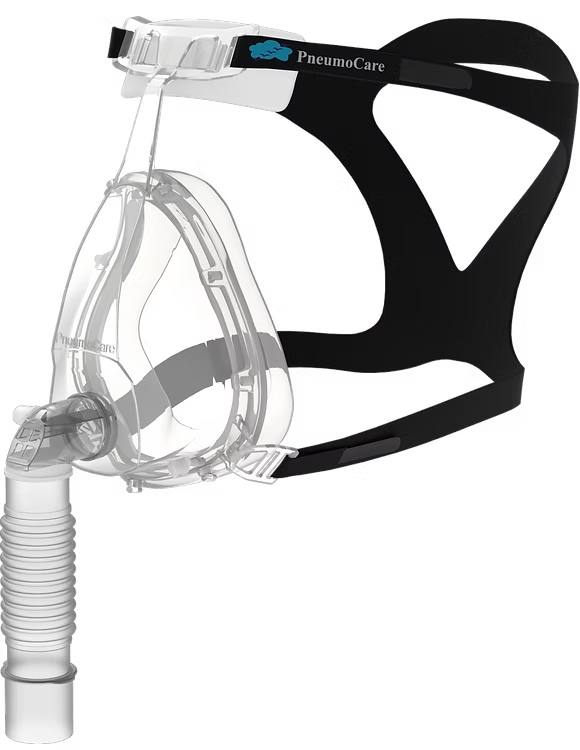
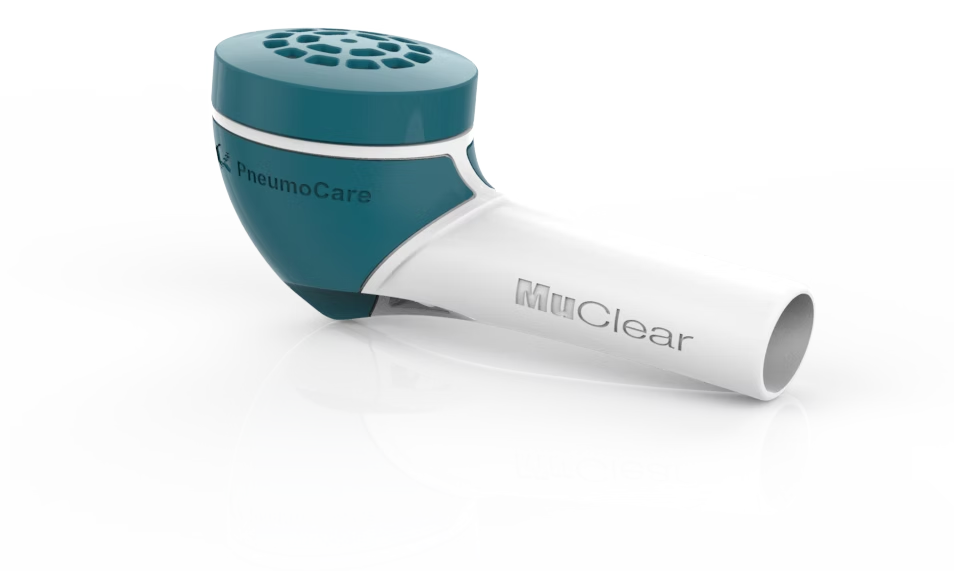
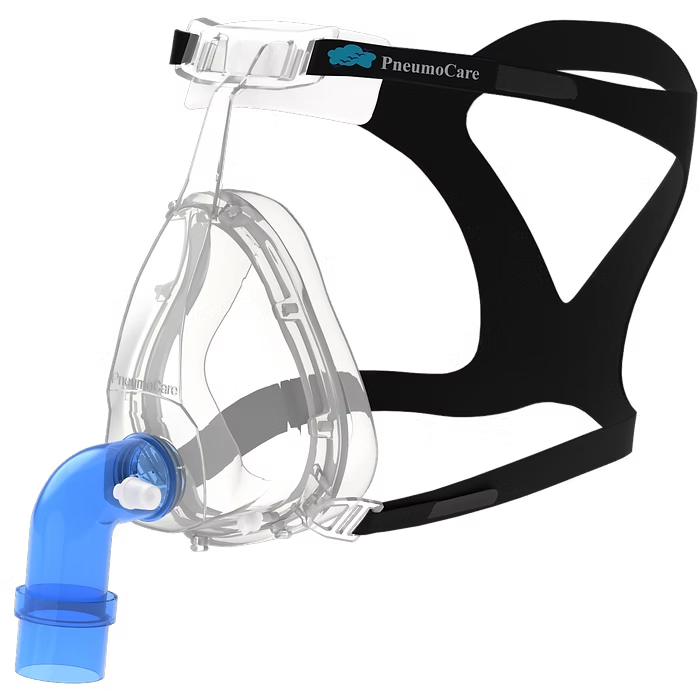
We governed these programmes from design through global sourcing to finished product. The same discipline applies to yours.
Medical programmes we have governed






"Flawless production and excellent after sales service was provided by the team."
Which one are you developing?
Six categories. Pick yours, or tell us if it’s not listed here.
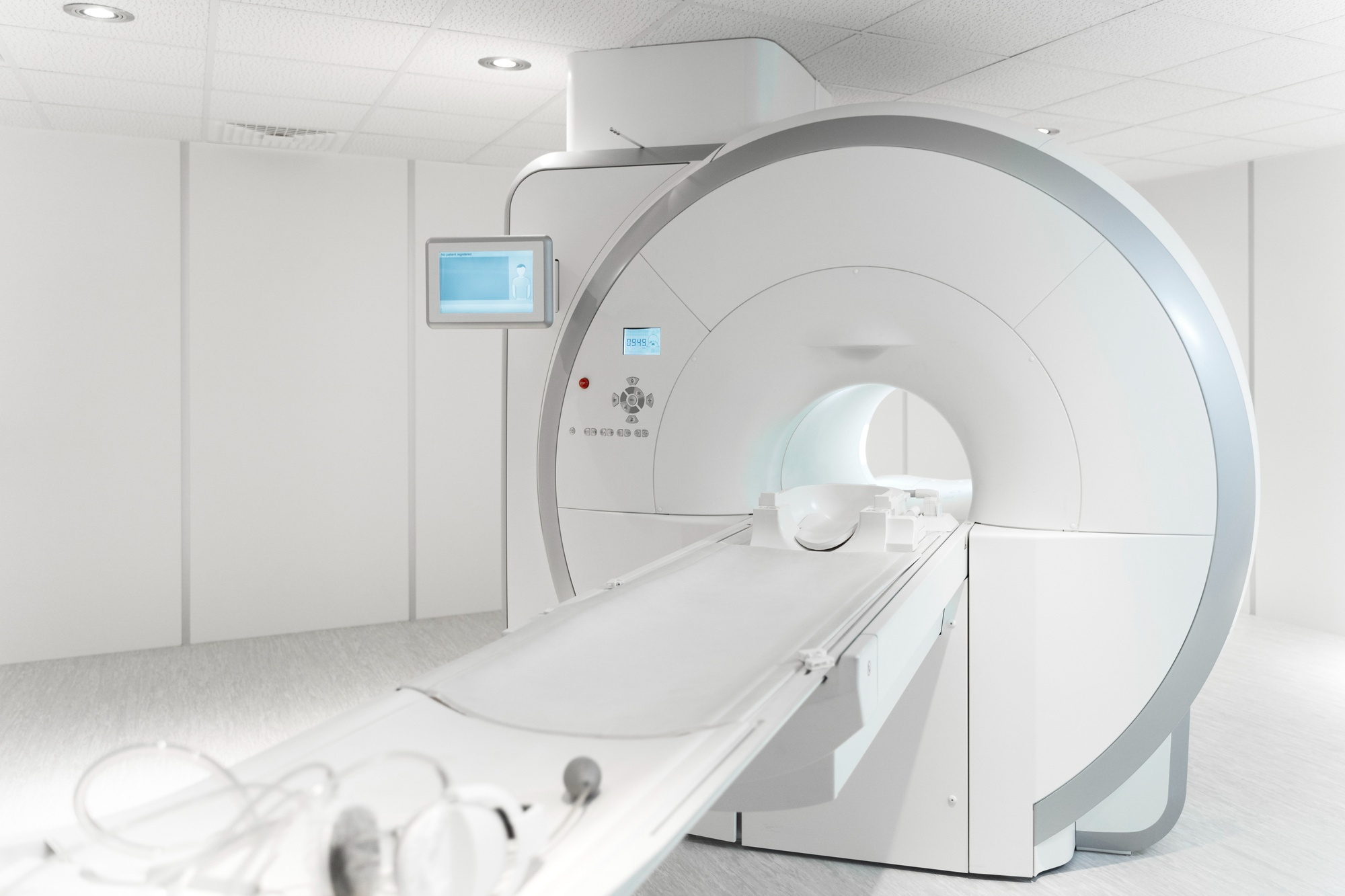
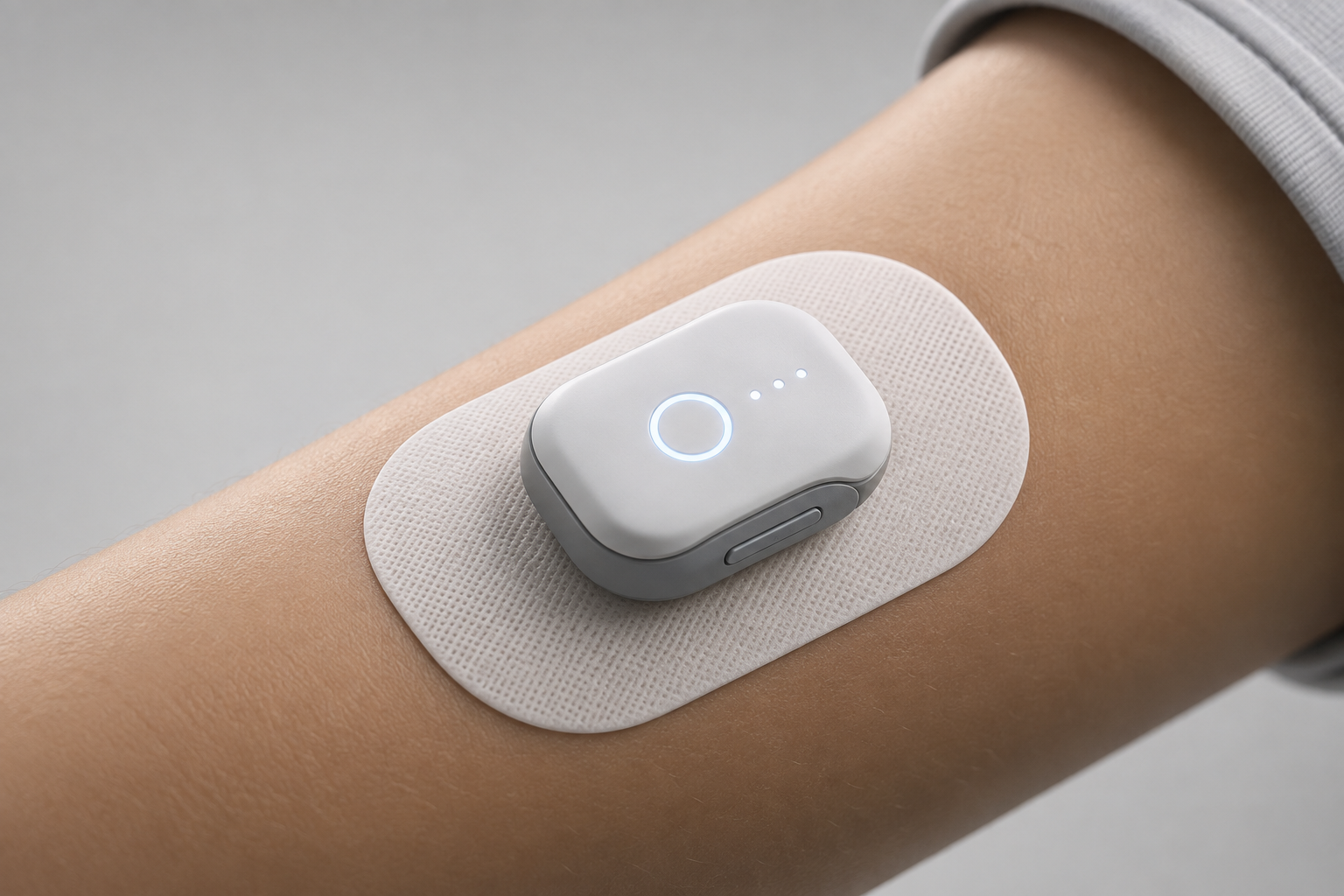
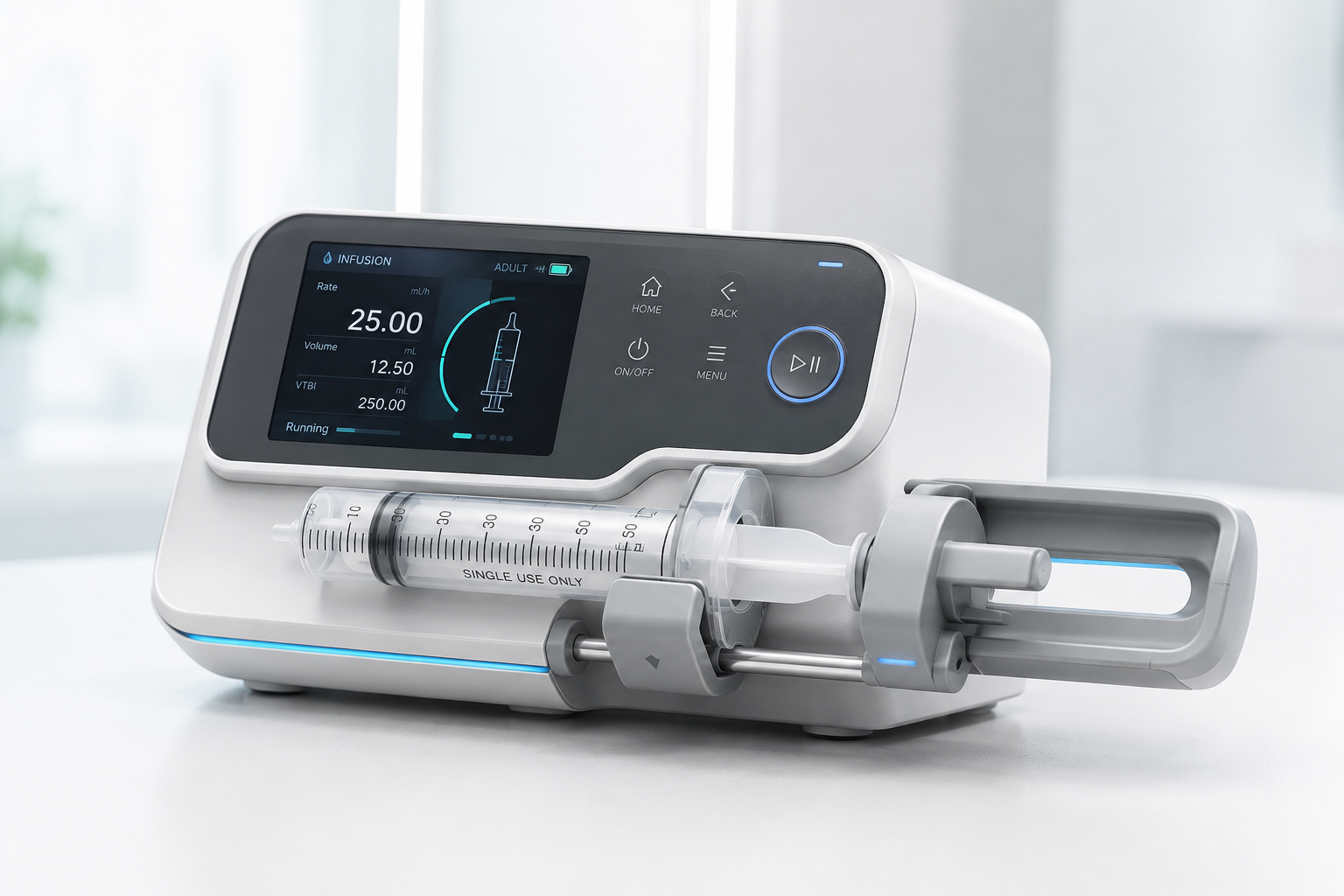
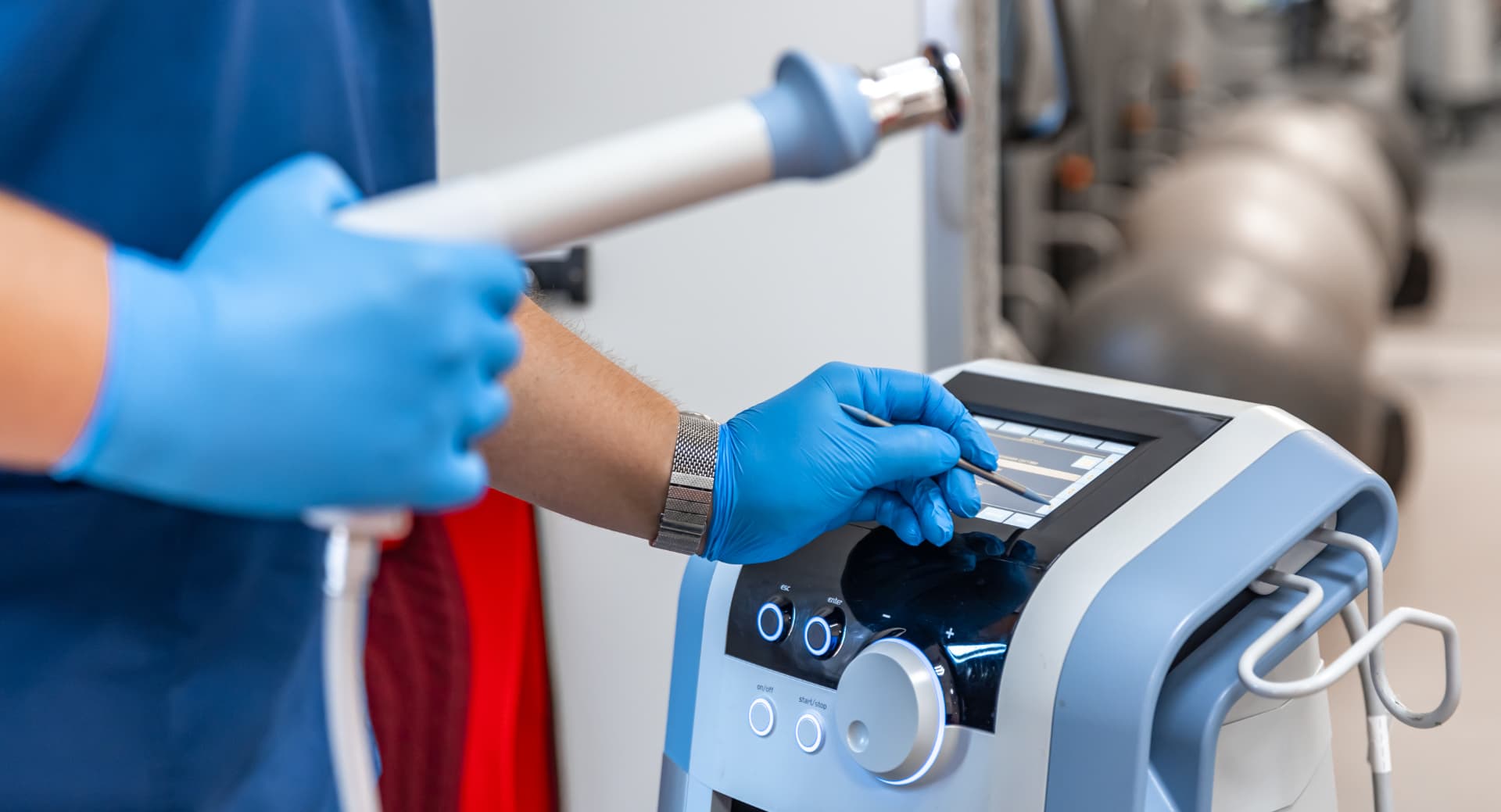
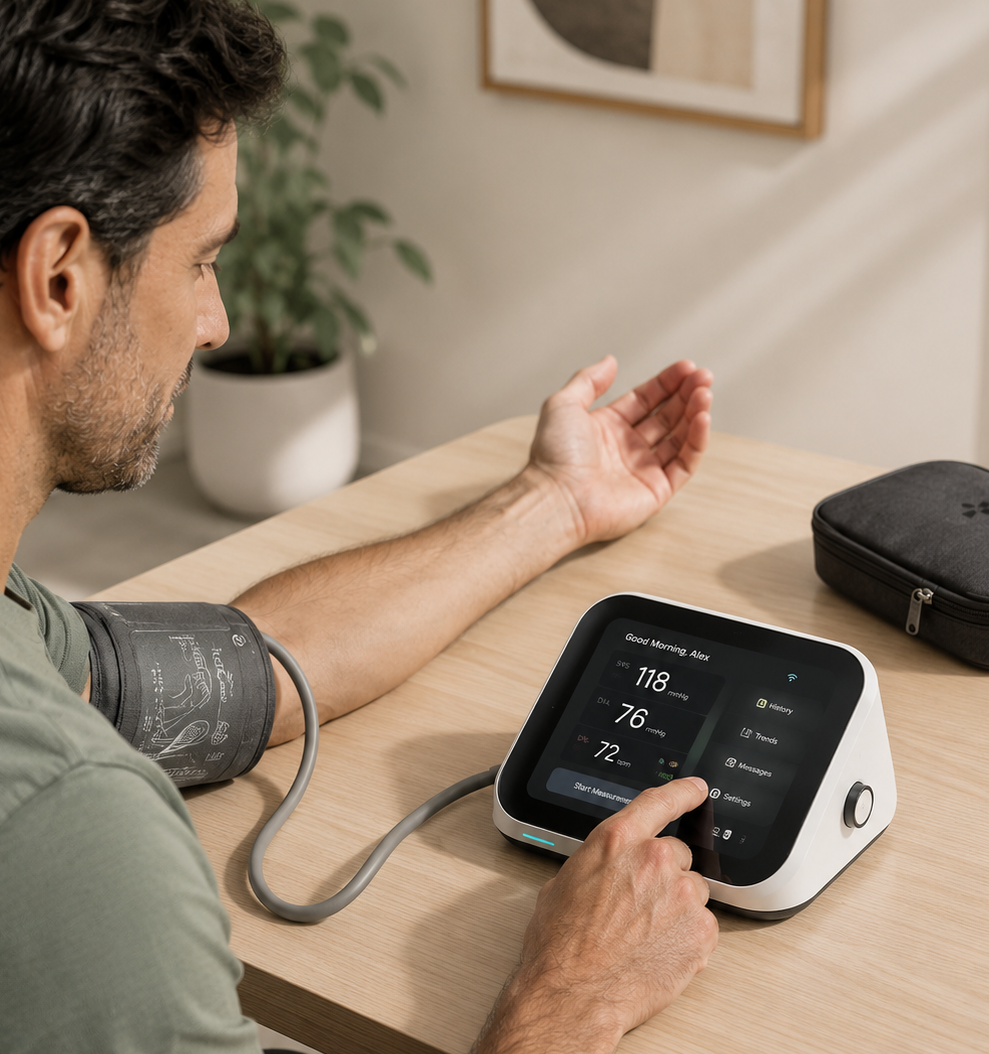
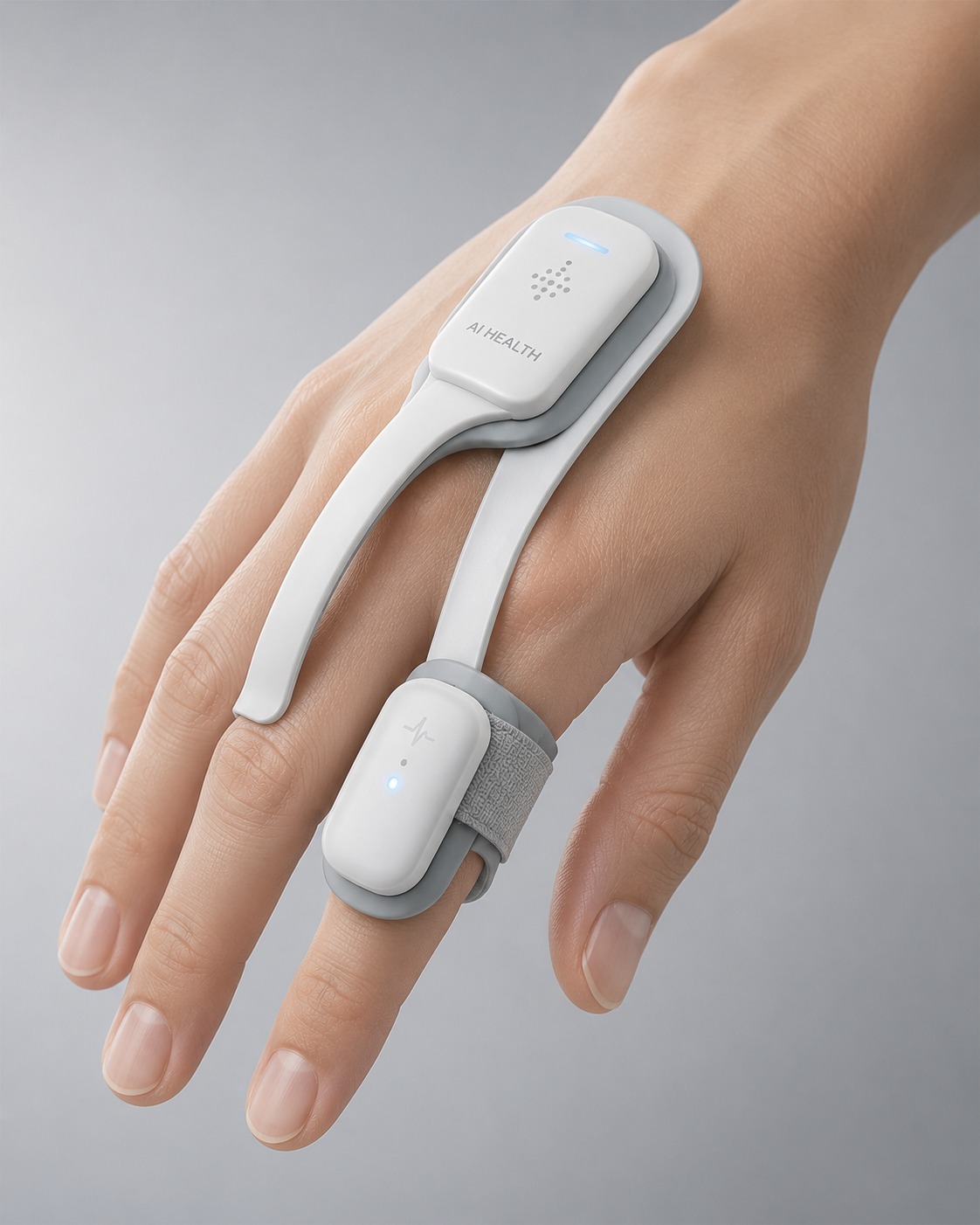
Depending on programme complexity and risk, governance is structured across four levels: LaunchGuard, ToolLock Control, ToolLock Lite, and PortfolioGuard.
See Programme Details →Where do you want to go next
READY TO TALK
Start a Structured Discussion
Twenty minutes. No quotation.
SEE INDUSTRIES WE GOVERN
Industries We Govern
See how the same governance principles apply across Appliances, Automotive, and Consumer Electronics.